A garage door is one of the biggest relocating systems in any structure, yet it is typically dealt with like a cosmetic upgrade. That is usually where trouble starts. A well-installed door needs to open up smoothly, seal securely, stay peaceful, and hold its positioning via thousands of cycles. A poorly installed one may still look fine on day one, but the symptoms show up promptly: unequal wear on rollers, loud travel, early springtime exhaustion, opener stress, and callbacks wherefore gets classified as garage door repair even though the root cause was installation.
Long-term performance does not come from one costs component. It comes from the connection between the door areas, track geometry, springtime sizing, opener selection, equipment high quality, weather, and the ability of the installer. In the area, I have seen standard steel doors last much longer than pricey personalized versions simply since they were established plumb, balanced correctly, and coupled with the best hardware. I have likewise seen attractive new doors come to be persistent solution issues within a year because someone hurried the setup.
If you are planning a new garage door setup, or replacing an aging system, it aids to comprehend what matters most before the very first bracket takes place the jamb.
The setup stage makes a decision the life of the system
Most house owners observe design initially. They compare panel styles, window layouts, insulation scores, and shade. Those choices issue, yet the mechanics matter more. A garage door can evaluate anywhere from roughly 90 pounds for a light single non-insulated door to 300 extra pounds or more for a dual insulated steel door, and a lot more for carriage-style timber or full-view business assemblies. Every pound needs to be managed by a springtime system, guided by tracks, and managed by an opener or manual lift.
When installment is specific, the door moves as a balanced system. Rollers stay centered in the track. Joints express without binding. Base seals contact the floor equally. The opener imitates an overview instead of a hauling machine. That is what protects the components.
When installation is careless, each cycle compounds the issue. A slightly twisted upright track develops side load on the rollers. A header brace that is off-center can impact trolley traveling. Springs that are close enough, however not truly matched to the door weight, might allow the opener conceal the discrepancy for a while. The owner just notices when the door begins slamming closed, turning around unexpectedly, or making a snapping noise near the torsion shaft. Then, the discussion commonly changes to domestic garage door repair or garage door spring substitute, yet those repair work can have been postponed by years with far better installment practices.
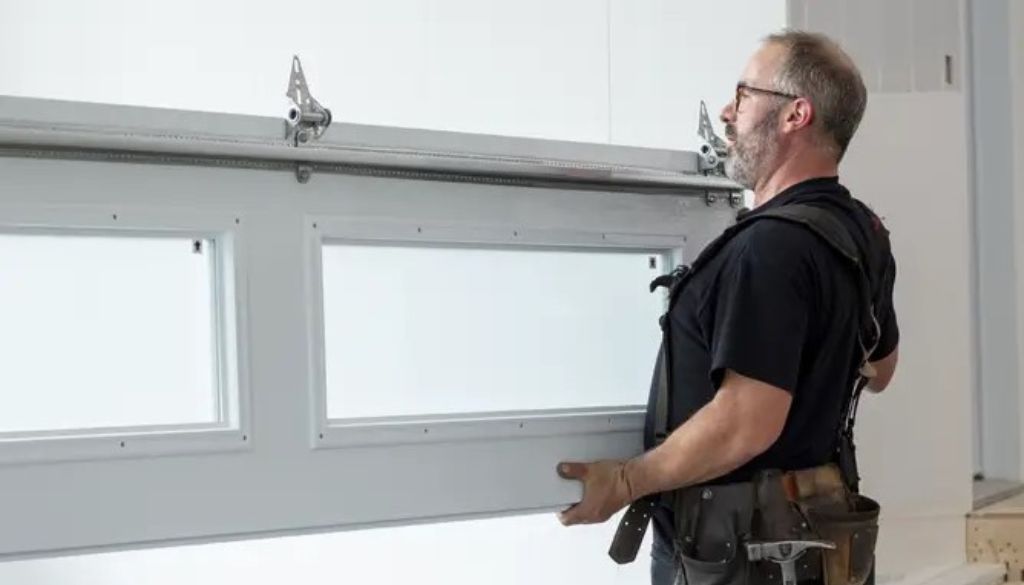
The opening itself has to prepare before the door arrives
One of the most forgotten components of garage door installation is the opening. Installers sometimes get condemned for healthy problems that truly started with framework, floor slope, or insufficient side room. Prior to picking the door and hardware, somebody must verify the opening width and elevation, clearance above the opening, side clearance on both jambs, and backroom right into the garage. This is even more important on older homes and in industrial rooms where wall surfaces might have changed or floorings may not be level.
A concrete flooring that goes down half an inch from one side to the various other prevails. It is manageable, but it alters how the lower seal get in touches with the piece. In some cases, a larger astragal fixes it. In others, the right solution is to cut or change the lower retainer, or established assumptions that the door can be weather-tight without appearing flawlessly level to the eye. Excellent installers speak via these details as opposed to acting every opening is square.
Commercial work elevates the stakes. With commercial garage door repair and substitute tasks, I have actually seen structural steel columns that were a little wrong and masonry openings that varied top to base. If the installer presumes standard measurements without checking, track placement endures promptly. A commercial door can still be made to run well, however just if measurements are dealt with as part of the mechanical setup, not as a formality.
Choosing the best door suggests thinking beyond visual appeal
Different door materials behave differently gradually. Steel is preferred permanently reason. It is resilient, commonly available, and can use strong insulation values when constructed with polyurethane or polystyrene cores. Aluminum is lighter and beneficial in some modern applications, particularly where rust resistance issues. Wood supplies a distinct look however requires much more maintenance and includes weight, which impacts springing and opener needs. Compound doors split the difference in some climates.
The appropriate option depends on usage, environment, and web traffic. A family that makes use of the garage as the main entryway may run the door 6 to 10 cycles a day. Over a year, that can exceed 2,000 cycles. In five years, that is over 10,000. If the door deals with direct afternoon sun, dark coatings may soak up substantial warm. In cool regions, insulation and perimeter securing issue much more, particularly if the garage shares wall surfaces with living area. In coastal environments, rust-resistant hardware and correct coatings are worth paying for.
This is where experience issues. A light-weight frying pan door may be great for a removed storage space garage that opens up a couple of times a week. The exact same door would be an inadequate choice for a warmed attached garage used daily. Similarly, an extra-large wood-look shielded door may look best theoretically however come to be a worry if the spring system and opener are not selected for that real load.
Spring sizing is not an information, it is the heart of the system
Many service calls that end in Garage door spring replacement trace back to springtime inequality from the first day. Springs are not interchangeable in the informal sense. They are picked based upon the elevation, weight, track distance, drum type, and desired cycle life of the door. A spring system that is just practical can still be wrong.
A properly well balanced door ought to stay near waist height when lifted manually and ought to not shoot upwards or drift down boldy. That balance secures the opener and makes the door much safer to run throughout power interruptions. If the installer uses springtimes that are undersized, the opener functions harder each cycle. If the springs are extra-large or wound improperly, the door may end up being unsteady at particular factors of travel.
Torsion systems are typically liked for many modern installations due to the fact that they supply smoother control and even more foreseeable harmonizing than older extension springtime setups. That does not mean every torsion configuration is equal. Cycle life issues. Requirement springtimes are commonly rated around 10,000 cycles, though options exist for 20,000, 30,000, or much more. For an active family or a business website, upgrading springtime cycle life is commonly a far better investment than investing added on attractive glass or trim.
I bear in mind a two-car home where both vehicle drivers parked within and one family member utilized the garage for a home fitness center. The door cycled much more than standard. The builder-grade springtimes lasted simply under four years. We changed them with higher-cycle torsion springtimes, corrected the original balance concern, and the operator immediately appeared less strained. That is the type of enhancement people can hear.
Track placement and equipment high quality separate quiet doors from trouble doors
Noise is not always concerning the opener. A door that rattles, shudders, or bangs usually deals with track or hardware issues. Vertical tracks must be plumb and evaluated the proper range from the jamb. Horizontal tracks require the best pitch to carry the door totally open without dragging or turning. Flag braces, end bearing plates, joints, and roller stems all need to collaborate without requiring the areas out of plane.
The cheapest hardware plans tend to show their weakness early. Slim joints bend. Fundamental rollers use quickly, particularly if they use lower-grade bushings. Bolts loosen up. Nylon rollers with closed bearings often run a lot more quietly than standard steel rollers in household settings, though they still require to be matched to the door and track. On larger industrial doors, durability and tons handling generally take top priority over noise reduction.
If a new door is loud from the beginning, something is wrong. New systems ought to sound regulated, not disorderly. A healthy setup produces a mechanical hum and rolling contact sound, not clanks, pops, and scuffing. Those audios usually indicate something is binding, loose, or misaligned.
The garage door opener should match the door, not simply the budget
Consumers frequently buy the garage door opener by horse power alone, but that is just one item of the decision. Drive type, control reasoning, rail stamina, soft-start procedure, battery backup, and security functions all matter. More important, the opener needs to never ever be used to make up for a poorly well balanced door. If the door feels heavy by hand, setting up a stronger opener does not address the genuine issue.
Belt-drive drivers are a solid selection for lots of attached garages because they run silently. Chain-drive devices remain dependable and affordable, particularly where sound is much less of a problem. Jackshaft openers can be superb when ceiling room is restricted or when a clean expenses format is wanted, however they need suitable side-room and an appropriately set up torsion system.
There is likewise a distinction in between periodic use and consistent need. A domestic opener on a light double door might execute well for several years in a normal house. Put the exact same system on a heavier shielded door with constant biking and it may come to be a service product rather. In light commercial settings, the incorrect driver selection is a common factor for duplicated industrial garage door repair calls.
Smart attributes are useful, however they must come after mechanical fundamentals. Remote tracking, app controls, and electronic camera combination are convenient. None of them matter if the rail flexes, the force setups are incorrect, or the safety turnaround is unreliable.
Weather sealing deserves even more focus than it gets
Long-term efficiency is not just regarding lifting and decreasing. It is likewise about exactly how the door takes care of water, dirt, wind, temperature swings, and parasites. Good securing begins with precise setup. If the door is not square in the opening, the side seals and top seal can just conceal so much. The bottom seal has to meet the piece consistently throughout the full width.
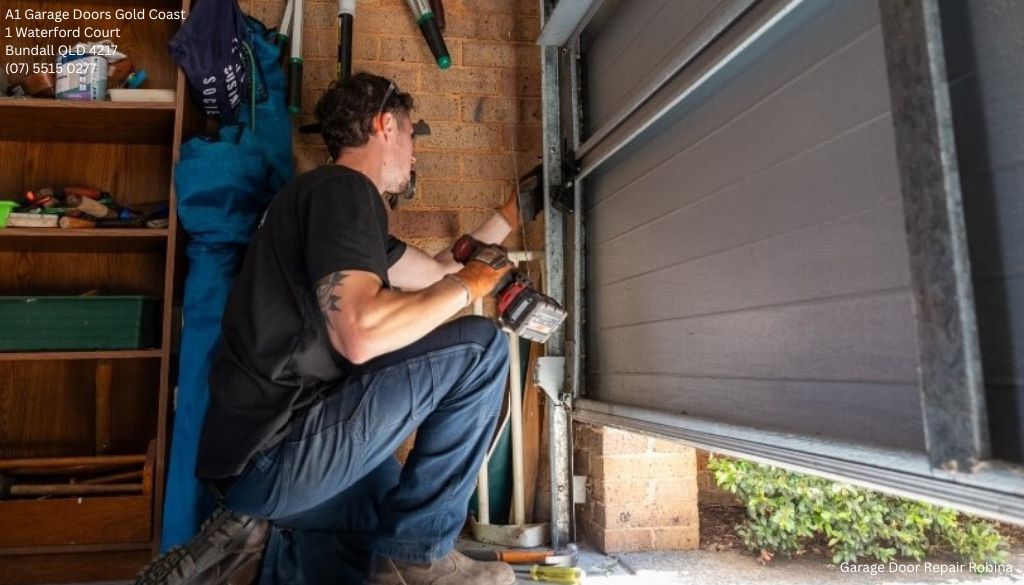
Insulated doors can enhance convenience, however insulation alone does not produce an efficient barrier. Spaces at the border undo much of the benefit. In colder climates, poor sealing around the opening commonly causes house owners to presume the door itself is faulty, when the real concern is fit and perimeter treatment.
On commercial structures, seal performance comes to be even more crucial. Warehouses and solution bays typically take care of wind pressure, forklift traffic, dirt, and repeated opening up cycles. The ideal bottom rubber, jamb seal, and track weather treatment can reduce wear and enhance interior conditions. It is far cheaper to define them at installment than to revisit the opening up numerous months later on after complaints start.
A few setup checkpoints that avoid costly callbacks
The toughest installers have practices. They do the very same critical checks whenever, also on regular work, because small misses out on develop big frustrations later.
Confirm the door balance by hand before relying upon the opener. Verify track plumb, level shifts, and correct clearances at full travel. Test safety and security turnaround and photo-eye action more than once. Tighten and reconsider all bolts after the very first cycles, especially on brand-new framing. Inspect seal call at the flooring and perimeter with the door totally closed.None of these actions take long. Skipping them can produce weeks of stress. I have seen a single loose set screw on a torsion element bring about a drifting cord problem that looked, initially glimpse, like a springtime failing. The installer that reduces for final checks generally conserves the client cash and saves the firm a return visit.
Residential and business jobs look similar from the aesthetic, yet they are not the exact same work
People usually use the very same language for all garage doors, but the needs can be very different. Residential garage door repair typically involves convenience, convenience, safety, and moderate cycle counts. Commercial garage door repair typically involves safety and security conformity, vehicle accessibility, stock protection, and a lot greater usage patterns. The setup strategy has to mirror that difference.
A domestic door can usually focus on appearance and quiet procedure. An industrial sectional door may need to focus on impact resistance, service, presence, or rate. Equipment scale, springtime cycle scores, track support, and operator duty course all modification appropriately. Even the upkeep expectations differ. House owners might call when something appears incorrect. Commercial supervisors commonly need scheduled inspection since downtime influences operations immediately.
That is why product replacement can backfire. Using lighter property logic in an industrial opening might lower the in advance proposal, but it typically raises the long-lasting cost. The very same annual garage door maintenance concept uses backwards. Overbuilding a straightforward detached residential garage might not provide significant value if the use is low and the atmosphere is mild.
Early indication that point back to setup issues
Some failings are simply age-related. Others turn up due to the fact that the original configuration was off. When I inspect a door within the first couple of years after installation, a few symptoms generally inform the story quickly.
- The door turns around near the floor although the photo-eyes are clean and aligned. One side of the lower seal presses far more than the other. Rollers show unequal wear patterns or ride hard against one side of the track. The opener arm babbles or jerks during the initial couple of inches of travel. Cables lose also tension when the door is partially open.
Any one of these can come from element wear, however on newer systems they usually signal that the door was never completely set. Great service professionals recognize the difference between a repair work that addresses the symptom and a change that fixes the cause.
Maintenance starts the day the door is installed
A brand-new garage door is not maintenance-free, no matter what the pamphlet claims. It may be low-maintenance, yet relocating systems require routine focus. The most effective time to discuss that is right after installment, when the proprietor can still see how the system is expected to behave.
Homeowners must recognize what normal sounds are, exactly how to test the auto-reverse function, and when to call an expert. Springs, cords, lower braces, and torsion elements ought to not be treated as do-it-yourself products. Standard care, such as keeping tracks without debris, looking for loosened joint screws, and scheduling annual solution, goes a long way.
The service interval depends upon usage. A gently made use of domestic door might just need expert assessment annually or every other year if it stays quiet and balanced. A high-cycle home needs to favor yearly sees. Industrial doors often require a much more structured upkeep schedule since the wear gathers faster and the effects of failing are greater.
Why the most affordable installment bid frequently sets you back even more later
Price matters, however garage door installation is among those professions where low-cost labor tends to announce itself later on. Lower quotes typically conceal compromises in equipment grade, springtime cycle ranking, weather condition securing, debris elimination, warranty assistance, or the time allocated for correct arrangement. The door may go up and down on mount day, which creates the impression that all proposals were equal. They hardly ever are.
Ask what springtimes are being specified. Ask whether the quote includes enhanced struts if required, upgraded rollers, haul-away, seal substitute, and opener configuration. Ask how balance is examined and whether the team adjusts for flooring variation. Experts who understand their craft can answer those inquiries plainly.
The difference between an average mount and an outstanding one may only add a moderate amount to the first billing. Spread that over ten or fifteen years of usage and it becomes one of the most effective worths in the task. This is specifically true if it decreases the demand for early garage door repair, shields the garage door opener from overload, and delays Garage door spring replacement.
What long-lasting performance truly looks like
People often presume success suggests a door that simply does not break. The far better requirement is a door that stays predictable. It must raise uniformly, hold its balance, stay moderately quiet, stand up to seasonal shifts, and react well to regular service. It ought to not require constant fine-tuning. Its opener needs to sound steady, not strained. Seals must proceed doing their work after climate modifications. Hardware ought to show normal wear, not sped up damage.
That level of efficiency is not unintended. It originates from precise measuring, thoughtful item choice, disciplined installation, and sensible maintenance. When all of those items line up, the owner seldom considers the garage door, and that is normally the very best outcome possible. It simply functions, time after time, the means an effectively installed system should.