A garage door generally gives warnings prior to it falls short completely. The issue is that many property owners live with those cautions for weeks or months because the door still opens, still closes, or still seems "good enough." That delay is where small repair work expenses develop into expensive solution telephone calls, damaged automobiles, and real safety and security risks.
In domestic work, the urgent instances tend to follow a pattern. A home owner notifications a brand-new grinding audio, a sluggish begin, an uneven door, or a remote that works just half the time. They assume it is an annoyance. Then one early morning the door jams midway open before job, or a spring breaks at night with an audio loud enough to rattle your house. By then, what might have been a simple repair has typically become a bigger task including bent equipment, a strained garage door opener, or a door that is no more secure to use.
Residential garage door repair is not practically comfort. These doors are heavy, tensioned, and mechanically ruthless. A common double garage door can weigh well over 100 extra pounds, and far more if it is wood or protected steel. The springtimes and wires are developed to manage that weight smoothly. When one part begins failing, the remainder of the system takes in stress it was never suggested to carry.
If your garage door has started behaving in a different way, the concern is not whether it needs attention. The actual concern is exactly how rapidly you need to act.
When "a little off" in fact indicates urgent
Homeowners typically anticipate significant failing to look remarkable. Occasionally it does. A snapped springtime is apparent. A door hanging at an angle is noticeable. Yet many immediate repair work situations begin with subtler signs and symptoms, the kind you can quickly explain away if you are busy.
A healthy garage door need to relocate uniformly, sound fairly smooth, and react consistently. It ought to not shudder, hesitate, bang, drift, or require the opener to work more difficult than normal. Even if the door still finishes the cycle, a visible modification in just how it acts is usually the earliest sign of mechanical trouble.
The urgency comes from just how connected the system is. Used rollers can draw on the track. A weak springtime can overload the opener. A frayed cord can trigger one side to drop. A misaligned track can make the door bind, which enhances stress on joints and brackets. What starts as one worn component can come to be several damaged components quickly, particularly if the door is utilized several times a day.
The door is unexpectedly louder than it made use of to be
Noise is just one of one of the most trustworthy very early signals. Garage doors are not quiet, and no specialist needs to guarantee that. But there is a clear distinction between regular operating noise and a door that has actually created a brand-new clank, screech, scrape, pop, or rumble.
A metallic grinding audio often points to used rollers, completely dry bearings, or hardware that has actually loosened up in time. A sharp bang can show a damaged springtime, which several homeowners blunder for something falling inside the garage. Repeated squealing may indicate the system needs modification, lubrication, or replacement of moving parts that are no longer tracking correctly.
The vital detail is adjustment. If your door has constantly had a low hum and now seems like it is dragging a tool kit, that matters. In the area, abrupt sound increases frequently turn up just before a more severe breakdown. One usual example is a torsion spring nearing failing. The door might begin appearing heavier and rougher for days prior to the springtime ultimately gives out.
If the noise is paired with jerking, delayed activity, or visible shaking, treat it as urgent. Continuing to run the system can damage the opener electric motor or strip interior gears.
The door opens erratically or looks crooked
This is one of the clearest indicators that you require property garage door repair immediately. A garage door must increase and reduced evenly on both sides. If one side rests reduced, lifts slower, or shows up tilted in the opening, quit utilizing it till it has been inspected.
An unequal door commonly indicates cable television issues, spring inequality, track damages, or a falling short bottom brace. Those are not cosmetic troubles. They affect exactly how the whole weight of the door is sustained. If one side loses appropriate stress, the door can jam, decline instantly, or twist enough to bend panels and tracks.
I have seen house owners keep making use of a door that was only an inch off degree due to the fact that it still "worked." A week later on, the cable came off the drum and the door wedged itself hard into the opening. At that point, the repair entailed extra labor, even more components, and a better chance of panel damage.
Crooked procedure is additionally hard on the garage door opener. The opener is created to direct a balanced door, not drag an unpredictable one into position. If the door is not moving directly, the opener enters into the casualty list.
It feels much heavier than normal
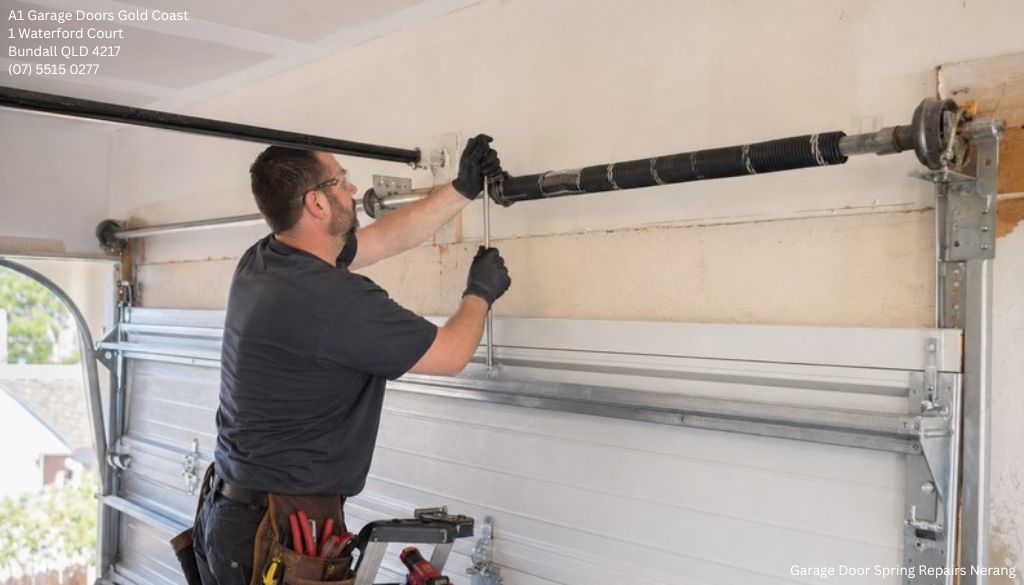
A correctly well balanced garage door must not really feel like dead weight. If you disengage the opener and raise the door manually, it needs to relocate with controlled resistance, not fight you all the way up. If it suddenly really feels much larger, the springtimes might be worn, out of modification, or broken.
This matters since springtimes carry a lot of the training tons. The opener is not there to do the hefty pulling on its own. When springtime stress decreases, the opener compensates until it can not. That is when you obtain slow travel, fell short begins, jerky activity, or a burnt motor.
Heavy procedure is among the strongest indications that Garage door spring replacement may be needed. Springs do not last forever. In many homes, basic torsion springtimes are rated for a finite cycle life, which life obtains used up much faster in homes where the garage is the major entrance door. A household that opens and shuts the door 6 to eight times a day can use with springs far earlier than a home owner that utilizes the garage occasionally.
If the door really feels heavy sufficient that you require genuine initiative to lift it, do not keep testing it. That is a repair service telephone call, not a wait-and-see situation.
The garage door opener strains, waits, or reverses for no clear reason
A struggling garage door opener is often blamed first because it is the visible maker with the remote and lights. Often the opener really is the problem. Regularly, it is responding to a mechanical trouble elsewhere in the system.
A healthy opener must begin without delay, draw efficiently, and stop where it is intended to. If it hums yet does not move the door, turns around mid-cycle, delays near the floor, or sounds like it is working more difficult than before, something is incorrect. Maybe travel setups, force setups, worn gears, sensor alignment, or electric difficulty. It might also be the opener attempting to relocate a door that is no more balanced or correctly aligned.
This is where judgment issues. A door that reverses because a sensor lens is filthy is really various from a door that reverses due to the fact that the track is binding and the opener is hitting resistance. House owners in some cases reset the opener repeatedly, which can momentarily mask the symptom while the underlying damages worsens.
If your garage door opener has actually come to be irregular, specifically when coupled with brand-new sounds or heavy motion, have the complete system checked. Replacing an opener without dealing with the real reason is a common and costly misstep.
The cords look torn or loose
Garage door cords do critical work under stress, and they deserve extra respect than they typically obtain. If you discover fraying, unraveling strands, noticeable rust, or a wire that has actually gone slack or slid off the drum, stop operating the door.
Cable wear commonly starts gradually. A couple of damaged hairs near the bottom brace may not appear like a lot, yet those strands are a warning that the wire is shedding stability. Once it stops working, one side of professional garage door maintenance the door can go down suddenly. That can flex the track, damages the panel, and produce a dangerous scenario for anyone nearby.
Loose wires can likewise signify a spring trouble. When spring tension adjustments, the cable can shed correct winding and tracking. That is why cable television signs and symptoms must never be checked out in isolation.
This is not a diy area for a lot of property owners. The mix of weight and spring stress makes cord repair unsafe without correct tools and experience. Immediate solution is the safer choice.
The door knocks closed or goes down as well fast
A garage door must descend in a regulated way. If it slams, falls faster than typical, or seems like it intends to crash down, do not use it once more until it has actually been repaired.
This sign highly recommends a springtime concern. In a well balanced system, the springs respond to the weight of the door. Without that assistance, gravity takes control of. Also if the opener is still attached, it might not have the ability to regulate the descent securely. Some openers are harmed in specifically this situation because they are forced to take care of a load they were never made to restrain.
A fast-dropping door is among one of the most urgent garage door repair situations due to the injury risk. Pets, kids, feet, bumpers, and kept products are all in the risk zone. If your door gathers a thud instead of a smooth touchdown, deal with that as a same-day problem.
The tracks are bent, loosened, or retreating from the wall
Tracks do not generally stop working without being seen. You might see a space where the brace need to sit flush, a section of rail that looks bowed, or rollers that no more rest centered in the track. Occasionally the first idea is that the door shudders during travel or rubs at one point every time it opens.
Track concerns can come from effect, loose installing equipment, lasting vibration, or a door that has been running out of equilibrium. Once the track geometry is off, the rollers no more adhere to a tidy course. That can lead to binding, panel pressure, and ultimate derailment.
Homeowners are occasionally lured to get a hammer and flex the track back. That normally develops a rougher path and can make the problem even worse. Track alignment is a lot more specific than it looks. Small mistakes influence roller travel, door seal, and spring tons distribution.
When the track is noticeably harmed or loose, the fixing needs to not wait. You are handling the structure that keeps the door relocating safely.
The panels are cracked, curved, or separating
Panel damage is usually rejected as cosmetic, particularly if the door still opens. Sometimes it is aesthetic. Occasionally it alters the architectural habits of the entire door.
Modern sectional doors rely upon each panel and joint indicate share load effectively. A split stile, bent section, or panel seam that is starting to divide can trigger flexing during traveling. That flexing shifts anxiety onto hinges, rollers, and the opener arm. It can also throw off the way the door seals at the floor and along the jambs.
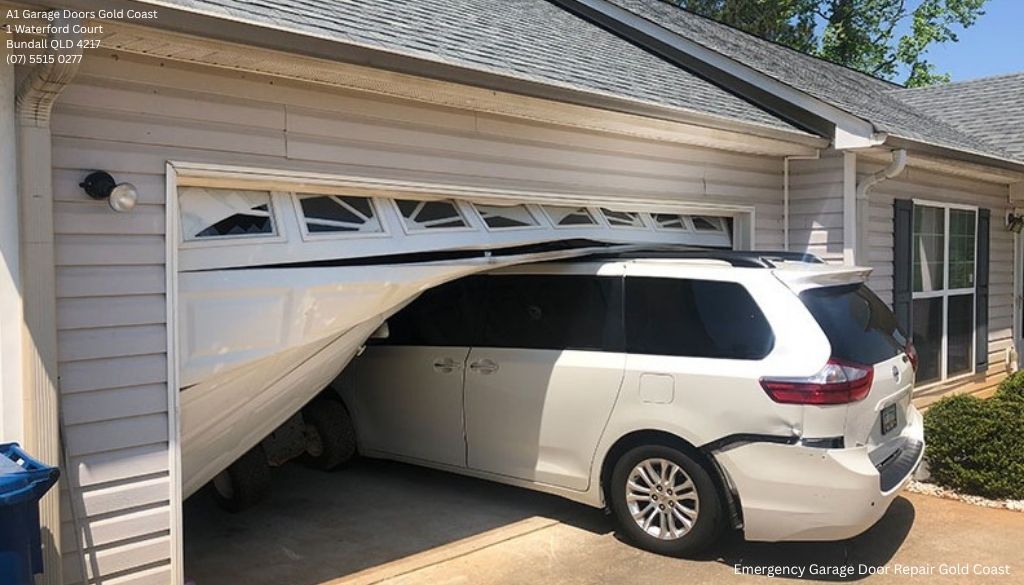
A door damaged by a minor backing accident could not need full replacement, yet it does require analysis. The appropriate decision depends upon the age of the door, the accessibility of matching panels, and whether the structure geometry is still true. Sometimes, targeted household garage door repair is enough. In others, garage door installment comes to be the much more sensible selection, especially if numerous panels are compromised or the design is discontinued.
This is one place where house owners gain from honest trade-off advice. An inexpensive panel spot on an older stopping working door can end up setting you back more over a year than replacing the door with a correctly fitted system.
Your power costs and weather sealing have changed
Not every immediate concern is dramatic. If the garage unexpectedly really feels much hotter, chillier, dustier, or wetter than usual, the door might no longer be securing effectively. That can come from panel warping, track misalignment, worn bottom seal, or a door that is not closing flush to the floor.
For attached garages, bad sealing matters more than people assume. It can impact adjacent room convenience, welcome dampness problems, and subject kept products to temperature level swings. If light is showing under one side of the door or along the perimeter where it utilized to sit tight, something has changed.
By itself, a used seal may not be an emergency. However if the sealing concern showed up along with jagged travel, spaces, or influence damages, it may be proof of a larger mechanical issue that should have instant attention.
The remote jobs, however the door acts unpredictably
Intermittent operation creates a various type of danger due to the fact that it trains people to maintain attempting random repairs. Someday the wall button functions yet the remote does not. The next day both work, yet the door quits midway. Then it closes fine three times in a row and jams on the fourth.
That type of variance can originate from electrical concerns, maturing logic boards, signal interference, falling short safety and security sensors, or an opener that is starting to fall short inside. It can likewise take place when mechanical resistance crosses the opener's force limit only under specific problems, such as temperature level modifications or when a dry roller captures at a details point in the track.
A great service technician will divide electrical mistakes from load-related faults rather than presuming all periodic problems are opener issues. That distinction matters. It is the distinction between replacing a board, changing sensors, or addressing the underlying door technicians first.
Signs that are entitled to same-day service
Some signs and symptoms enable a brief organizing window. Others must be treated as immediate.
- The door is hanging uneven or partially off track A spring has actually damaged or you heard a loud breeze and the door ended up being heavy Cables are frayed, loose, or off the drum The door slams closed, drops rapidly, or will certainly not stay open The opener pressures hard against a stuck or jammed door
Those are not monitor-it-for-a-week scenarios. They lug actual security issues and typically create extra damage if the system is compelled to operate.
Repair or replace, making the appropriate call
Not every immediate problem suggests the entire door requires to go. Lots of solution calls end with a focused fixing: spring replacement, cable television replacement, roller and joint work, track adjustment, sensing unit repair, or garage door opener solution. Good domestic garage door repair must address the real failing, bring back secure equilibrium, and leave the remainder of the system running smoothly.
Still, there are times when substitute is the better financial investment. If the door is older, panels are badly harmed, insulation is bad, and multiple elements are near completion of their service life, garage door installment may make even more sense than piling repair service bills. That is specifically real if components are outdated or the opener is also maturing out.
Homeowners occasionally ask whether industrial garage door repair experience issues when choosing a service company for a home. It can, offered the company also does strong residential job. Commercial systems usually involve much heavier doors, stricter maintenance practices, and more demanding cycle counts. Technicians who comprehend those systems have a tendency to value equilibrium, tons, positioning, and safety and security treatments. The important part is that they use the appropriate service for a domestic door, not a one-size-fits-all approach.
What you can securely examine before calling
There are a couple of observations a home owner can make without taking threats. The keyword is observe. You do not require to disassemble anything to gather helpful details for a solution call.
- Watch whether the door moves uniformly and pay attention for where the sound begins Look for torn cords, curved track sections, loosened brackets, or visible voids in seals Check whether the safety sensors are blocked or misaligned Note whether the opener light flashes or the device turns around at the exact same spot each time If risk-free to do so, examination hand-operated lift just after disconnecting power and only if the door is totally closed
Do not loosen up spring hardware, get rid of brackets, or attempt cable job. Those components store pressure that can harm you quickly.
Why waiting typically costs more
The concealed price of hold-up is not only the repair itself. It is the domino effect. A weak springtime breaks an opener. A misaligned door bends a track. A loosened roller damages a hinge. A damaged panel concessions door alignment and climate securing. What can have been a single solution check out ends up being a multi-part repair.
There is additionally the timing concern. Garage door failings hardly ever occur when it is convenient. They take place when you are attempting to leave for institution drop-off, draw the cars and truck in during a storm, or protect your home in the evening. If the garage is your main point of access, a handicapped door affects day-to-day live immediately.
Fast activity tends to create cleaner, more economical fixings due to the fact that the professional is addressing the key mistake before it waterfalls right into additional damage. That is one factor skilled business ask comprehensive inquiries over the phone. The audio, rate, angle, and behavior of the door often reveal just how immediate the scenario is prior to the vehicle also arrives.
The requirement to expect from a proper repair
A real fixing does greater than obtain the door moving as soon as. The system ought to be evaluated for equilibrium, traveling, hardware condition, and safety and security function after the damaged component is addressed. If you have a spring changed, the door should be evaluated for correct lift and hold. If you have wire or track work done, the professional must confirm alignment and roller travel. If the opener was included, pressure and turnaround settings should be checked.
That matters due to the fact that garage door systems fall short in patterns. Replacing just the most apparent busted part without inspecting the remainder of the setting up is exactly how repeat solution calls happen.
When your garage door begins sending indication, trust the modification in behavior. Doors do not come to be noisy, crooked, hefty, or irregular for no reason. The faster you treat those indications seriously, the far better your possibilities of keeping the repair service simple, the opener intact, and the door safe for everybody who uses it.